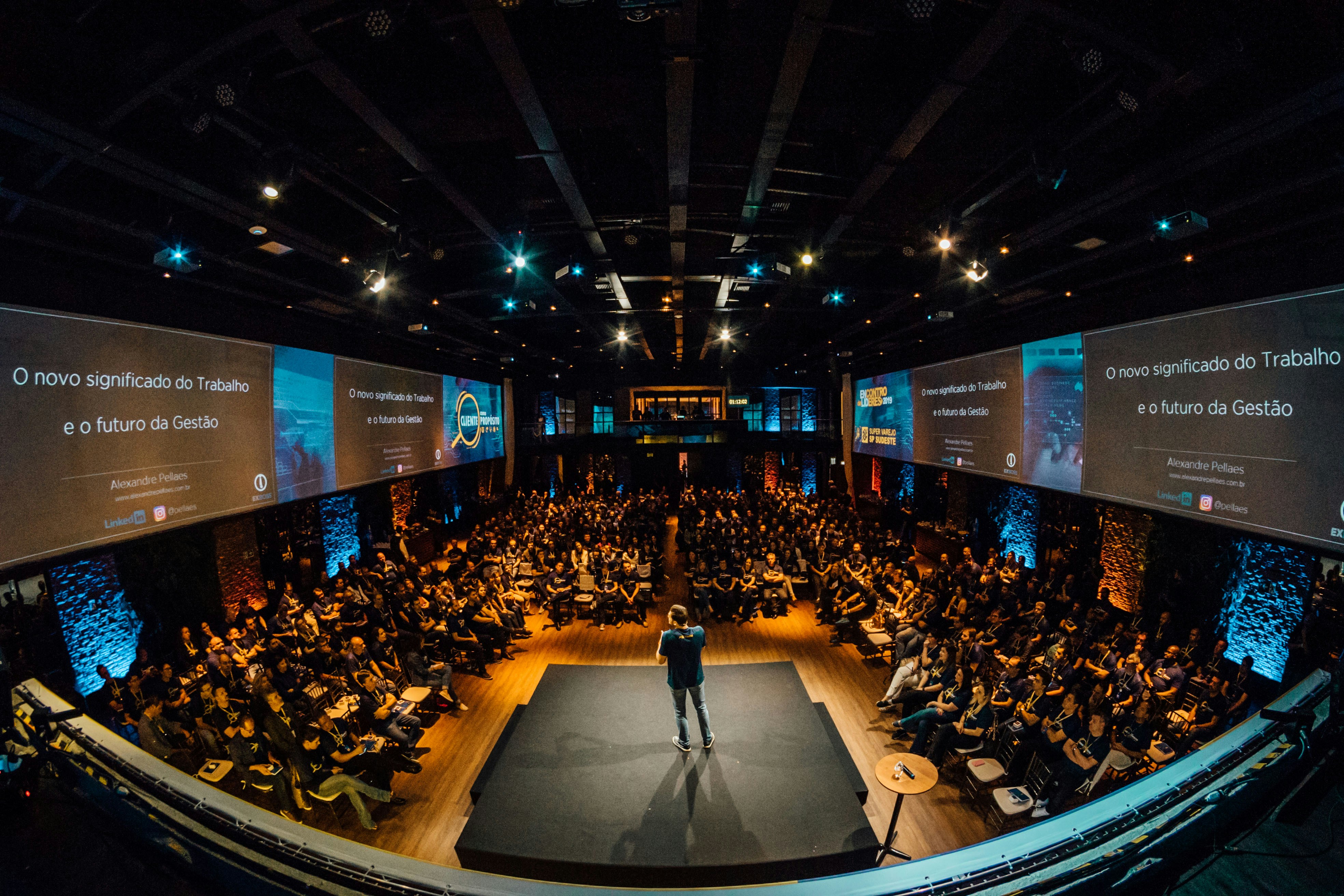
Event management is the art of transforming ideas into memorable experiences. Discover how strategic planning, creativity and precision come together to create unforgettable events.
Introduction: Where Moments Become Memories
An event is more than a gathering, it’s a story in motion. Every sound, color and detail contributes to an experience that people carry long after the lights go out. Whether it’s a corporate launch, cultural fest, wedding or brand showcase, event management has evolved into a powerful blend of creativity, logistics and psychology.
The modern audience expects more than just entertainment – they crave connection. They want to feel, engage and be part of something meaningful. That’s what great event management delivers – not just coordination, but emotion through structure.
The Foundation: Strategy Before Spectacle
Before the décor, lights or music comes strategy. Every successful event begins with clarity – understanding why the event exists and what impact it must create.
Professional event management starts by identifying:
- Purpose: Is it to celebrate, promote, educate or inspire?
- Audience: What do they value most – excitement, elegance or insight?
- Message: What is the central takeaway the organizers want remembered?
These answers shape every decision, from theme selection to stage design and guest experience. A launch event for a new tech brand, for example, will focus on innovation and sleek visuals. A college fest, on the other hand thrives on energy, color and inclusivity. The art of event management lies in aligning logistics with storytelling, ensuring every element supports the event’s purpose.
Experience Design: Turning Vision into Emotion
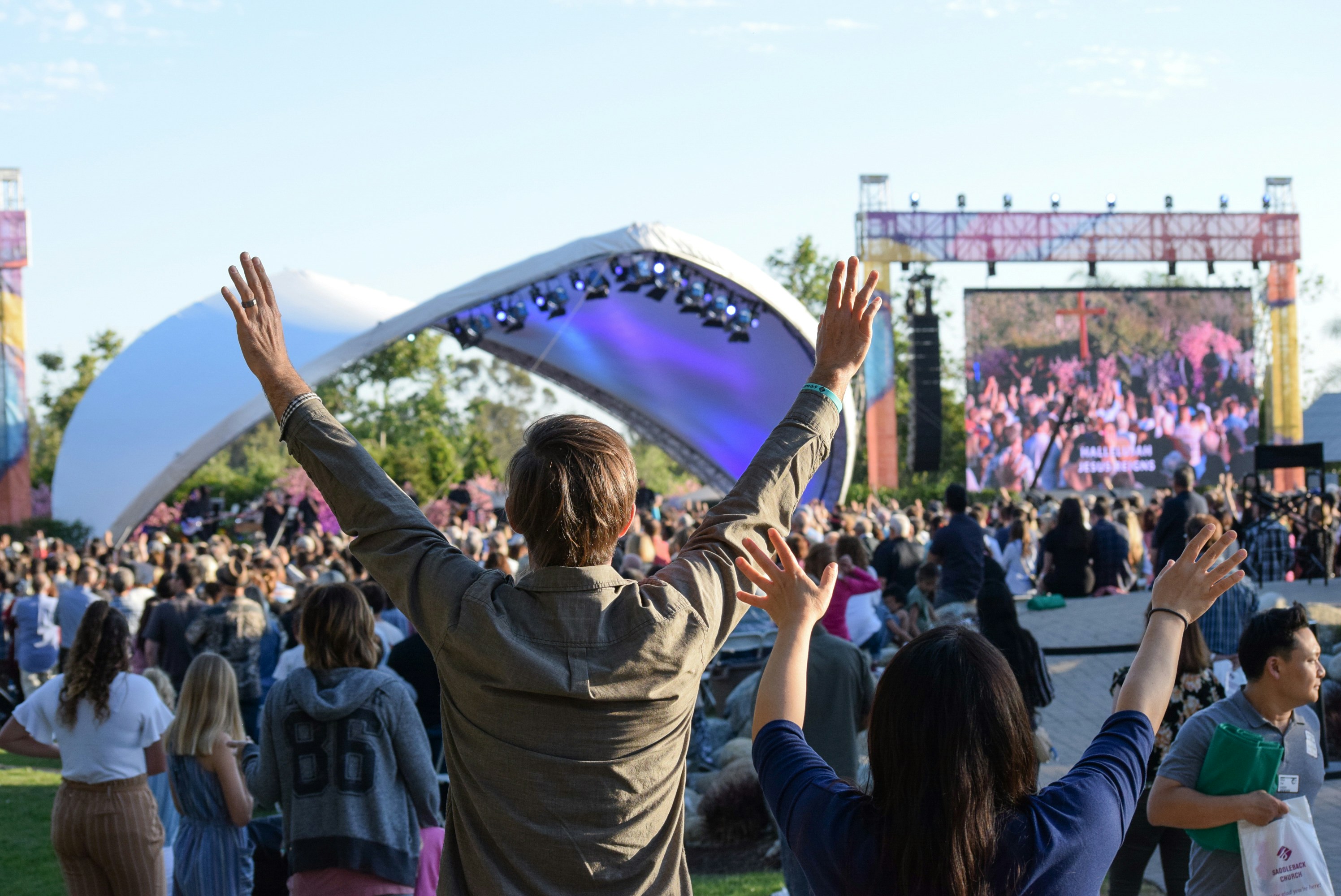
Once the strategy is clear, the creative process begins. Experience design is about stimulating the senses and creating a journey for the attendees.
This involves:
- Visual storytelling: Lights, props and visuals that align with the event’s theme.
- Soundscaping: Music and audio cues that influence mood and energy.
- Flow design: Ensuring smooth transitions between performances, sessions or activities.
- Emotional peaks: Crafting “wow moments”, key highlights that people will photograph, post and remember.
The most successful events are those where audience engagement feels effortless – where attendees don’t just watch but participate. Whether it’s an interactive booth, a creative photo wall or a surprise act, these elements transform events from ordinary to unforgettable.
The Backbone: Logistics, Teamwork and Precision
Behind every breathtaking event lies a backbone of coordination and control. Logistics are what turn creative ideas into reality.
Venue booking, vendor management, permits, budgeting and schedules – each element must move in perfect harmony. This is where structured event management systems come into play: detailed timelines, vendor checklists, stage schedules and contingency plans.
A good event manager doesn’t just prepare for success – they prepare for setbacks. Power cuts, delayed deliveries or last-minute speaker cancellations are all part of the business. The secret is to stay calm, think fast and always have a Plan B (and sometimes C).Event management is equal parts planning and adaptability. Success depends on how quickly problems are solved without the audience ever noticing them.
Technology’s Role in Modern Events
Technology has revolutionized the event industry. Digital ticketing, LED mapping, projection visuals and AI-driven analytics are now integral to execution. Social media integration ensures the event’s reach extends far beyond the venue, making it both a live and digital experience.
Live streaming, digital invites, event apps and real time engagement tools allow organizers to connect with hybrid audiences. Post event data helps measure engagement, footfall and feedback, providing insights that improve future planning.
But the true skill lies in blending tech with emotion – using innovation to enhance the human experience, not replace it.
After the Applause: Measuring Impact
The best events don’t end when the lights go off – they continue through the conversations they spark.
Post event evaluation is crucial. It includes measuring:
- Audience feedback and engagement
- Brand visibility and media coverage
- ROI in terms of awareness, leads or participation
- Internal learnings and improvement areas
This analysis helps organizers understand what resonated most, ensuring every event becomes a stepping stone to something greater.
Conclusion: Events That Speak, Stories That Stay
Event management is a profession built on passion, precision and purpose. It’s about transforming spaces into stories and ideas into emotions.
Every event: whether a grand conference or an intimate gathering, carries the potential to inspire. When creativity meets discipline, and when planning meets purpose, something magical happens: a moment turns into a memory.
That’s the true art of event management – not just managing events, but crafting experiences that last.
“People will forget what you said, people will forget what you did, but people will never forget how you made them feel.”
— Maya Angelou